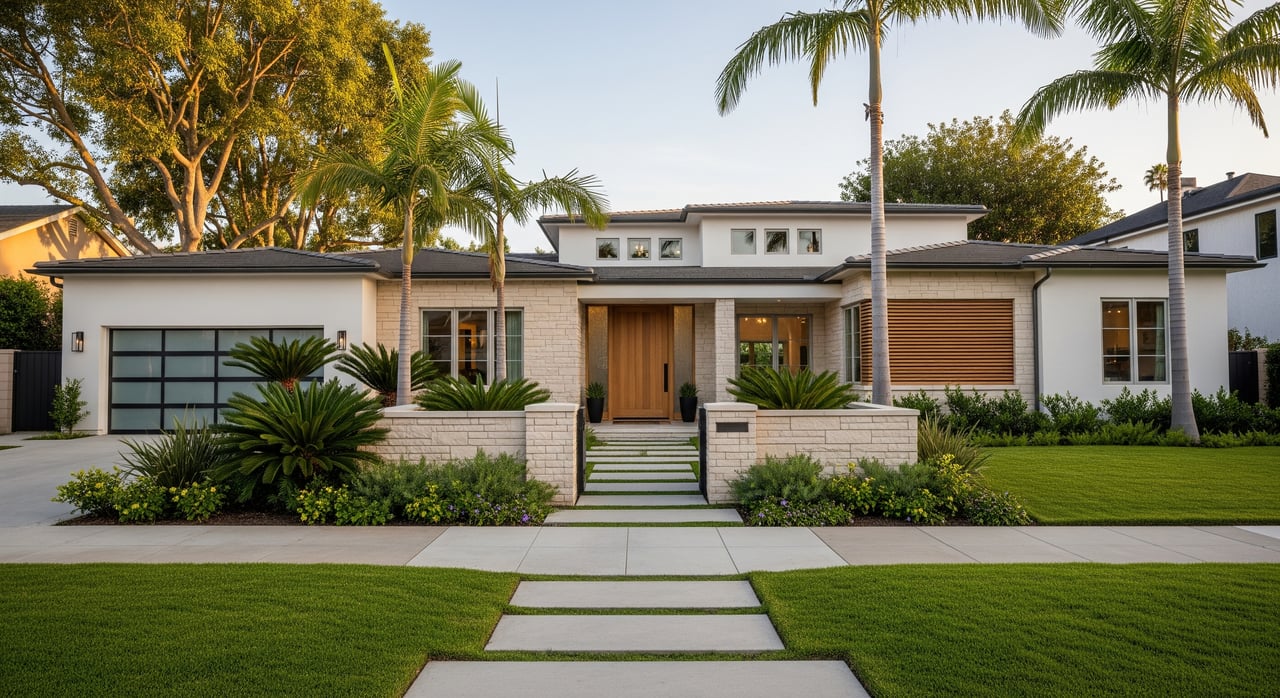
Buying a home in Torrance should feel exciting, not confusing. If the word “escrow” makes the process feel like a black box, you are not alone. Escrow is where the details come together, and it is also where most delays happen if you do not know what to expect. In this guide, you will learn how escrow works in Torrance and Los Angeles County, what the timeline looks like, which documents and costs are involved, and how to keep everything on track. Let’s dive in.
What escrow is and why it matters
Escrow is a neutral third party that holds funds and documents until all conditions of your purchase are met. The escrow holder follows written instructions from you and the seller, and from your lender if you are financing. When everything is complete, escrow disburses funds and records the deed so you receive keys.
Escrow is different from title insurance and from your lender’s underwriting. Title companies research ownership and issue title insurance. Lenders review your loan file, order the appraisal, and send loan funds when you are clear to close. Escrow coordinates among all parties to make sure the transfer is accurate and secure.
Who does what
- Buyer: deposit earnest money, complete inspections, review title, meet loan conditions, sign and wire the down payment and closing costs.
- Seller: provide disclosures and documents, address title issues, sign the deed and related transfer forms.
- Escrow officer: open escrow, prepare settlement statements, coordinate payoffs and recording, and disburse funds.
- Title company: provide a preliminary title report, clear title issues, and issue title insurance policies.
- Lender: order appraisal, underwrite your loan, issue the Closing Disclosure, and wire loan funds.
- Real estate agent: guide timelines, inspections, repairs, and contingency removals; communicate approvals with escrow.
Your Torrance escrow timeline
Financed purchases in Southern California typically close in about 30 to 45 days. Cash deals can close faster if title and HOA items are simple.
Day 0: Offer accepted
Your offer is accepted and the contract is signed. You send your earnest money deposit to escrow by the deadline in your contract. Escrow opens, assigns an escrow number, and shares initial instructions.
Days 1 to 3: Escrow opens and early deliverables
Escrow orders the preliminary title report. The seller provides required California disclosures like the Transfer Disclosure Statement, Natural Hazard Disclosure, and lead-based paint disclosure for older homes. If you are financing, apply for your loan right away; your lender will provide a Loan Estimate within three business days of your application.
Days 3 to 14: Inspections, appraisal, and contingencies
You schedule your home inspection, pest inspection, and any specialists you need. Appraisal is ordered by your lender and usually takes about one to two weeks to schedule, plus time to complete the report. You and the seller may negotiate repairs or credits based on your findings.
Days 7 to 21: Title review and HOA items
You and your lender review the preliminary title report and resolve any title exceptions. If the property is in a homeowners association, escrow requests the HOA resale or estoppel package. These packets can take a week or more and are a common source of delay, so it helps to request them early.
When contingencies are removed
Once inspections, appraisal, and loan conditions are acceptable, you remove contingencies per your contract. Your lender issues final approval when underwriting is complete and prepares your Closing Disclosure.
At least 3 business days before closing
You must receive your Closing Disclosure at least three business days before closing for most consumer mortgages. This is your final preview of costs and cash to close, so review it carefully and ask questions right away.
Final walkthrough and signing
You complete your final walkthrough, usually 24 to 72 hours before closing, to confirm the home’s condition. You sign your loan and closing documents, and you wire your remaining funds to escrow using verified instructions.
Funding, recording, and keys
Your lender wires loan funds to escrow. Escrow disburses funds, records the deed with the Los Angeles County Recorder, and then releases keys per your contract. Recording confirmation and final payoffs wrap up shortly after funds are disbursed.
Key milestones to expect
- Earnest money deposit: sent to escrow within the contract timeline and held until closing.
- Preliminary title report: lists liens, easements, and exceptions; major issues must be cleared before closing.
- Inspections and repairs: you order inspections, then negotiate repairs or credits with the seller.
- Appraisal: ordered by your lender; if it comes in low, you may renegotiate, bring more cash, or rework loan terms.
- Underwriting and clear to close: your lender completes a final review and gives the green light.
- Closing Disclosure: the lender must deliver it at least three business days before closing for most loans.
- Funding and recording: escrow coordinates the wire, recording with the county, and key release.
Typical closing costs in LA County
Closing costs vary by property and loan type, but you will see these categories in Torrance and across Los Angeles County.
Major cost categories
- Loan related fees: origination or points, appraisal, credit report, underwriting, flood certification, lender title policy, and recording of the deed of trust.
- Escrow and title: escrow fee, title search, and title insurance policies.
- Prepaids: first year of homeowner’s insurance, interim interest from funding to month end, and initial deposits for tax and insurance impounds if required by your lender.
- Taxes and assessments: prorated property taxes, plus any Mello-Roos or special assessments disclosed in tax records and the hazard disclosure.
- Government and recording: county recording fees and any documentary transfer taxes where applicable.
- HOA items: transfer or administrative fees, estoppel fee, and prorated dues if the home is in an HOA.
- Miscellaneous: pest clearance work, courier or wire fees, and notary services.
Who usually pays what
Custom in Southern California is that buyers typically pay lender fees, the appraisal, loan title policy, many recording fees related to the loan, and sometimes half the escrow fee. Sellers often pay the owner’s title policy, real estate commissions, payoffs of existing encumbrances, transfer taxes where applicable, and their share of prorated property taxes. Many items are negotiable and may shift based on the contract and market conditions.
Torrance and LA County specifics to watch
- Property tax proration and supplemental bills: Los Angeles County bills property taxes semiannually on a July 1 fiscal year. Expect prorations at closing and plan for supplemental tax bills after your purchase when the county reassesses the property.
- Mello-Roos and special taxes: some neighborhoods include these assessments. They appear in public tax records and the Natural Hazard Disclosure. Confirm them early so your monthly budget is accurate.
- City or county transfer taxes: Los Angeles County and some cities charge documentary transfer taxes. Confirm with escrow whether the City of Torrance applies a municipal transfer tax and who typically pays it.
- Recording timing: the Los Angeles County Recorder can experience variable processing times. Your escrow officer will monitor recording and provide confirmation.
Documents you will see and sign
Contract and escrow opening
- Residential Purchase Agreement that sets your terms and deadlines.
- Escrow instructions and the initial signature packet that outlines procedures and fees.
Title and ownership
- Preliminary title report summarizing ownership, liens, and exceptions.
- Grant Deed or other deed transferring title to you at closing.
- Owner’s and lender’s title insurance policies issued at closing.
Loan documents (if financing)
- Loan Estimate within three business days of your loan application.
- Appraisal report ordered by your lender.
- Closing Disclosure at least three business days before closing in most cases.
- Promissory Note and Deed of Trust you sign for funding.
Seller disclosures and inspections
- Transfer Disclosure Statement and Seller Property Questionnaire.
- Natural Hazard Disclosure with fire, flood, earthquake fault, or landslide risk zones.
- Lead-Based Paint Disclosure for pre-1978 homes and other statutory disclosures.
- Pest inspection report and any completion or clearance needed by your lender.
HOA documents (if applicable)
- Estoppel or resale certificate, CC&Rs, bylaws, rules, budget, and financials. These affect your right to occupy and your lender’s approval.
Government and tax items
- Preliminary Change of Ownership Report for the county.
- Property tax prorations and information about supplemental bills after closing.
How to avoid delays
Delays can come from slow underwriting, low appraisals, title issues, HOA paperwork, unfinished repairs, missed signatures, wire problems, or county recording backlogs. The good news is that you can prevent most issues with early action and clear communication.
- Apply for your loan immediately and respond to lender requests the same day if possible.
- Schedule inspections right away and request bids early if repairs are likely.
- Review disclosures promptly and ask questions about special taxes, assessments, or easements.
- If there is an HOA, have escrow request the resale package on day one and follow up until it is delivered.
- Use verified wire instructions, call escrow to confirm details, and avoid sending funds until you confirm by phone.
- Ask your agent and escrow officer for a weekly checklist of items needed to close and review it together.
- Choose timelines that fit reality. For financed deals, 30 to 45 days often works best.
Torrance buyer checklist
Within 24 to 72 hours after acceptance
- Confirm escrow is open, capture your escrow number, and verify that your earnest money deposit posted.
- Send your lender all requested documentation such as W-2s, bank statements, and ID.
- Schedule home, roof, HVAC, and pest inspections.
Within the first 1 to 2 weeks
- Review the preliminary title report with your agent and flag anything unusual.
- Ask escrow or title about county transfer tax and whether any Torrance city transfer tax applies.
- If there is an HOA, confirm the resale or estoppel packet has been ordered.
After inspections
- Negotiate repairs or credits quickly to avoid extensions.
- If termite work is needed, schedule a licensed contractor and obtain clearance.
7 to 14 days before closing
- Confirm you received the Closing Disclosure and compare it to your Loan Estimate.
- Arrange your wire and verify the final amount with escrow, including prorations.
- Schedule your final walkthrough.
On funding day
- Confirm your lender wired funds and that escrow has recording on the calendar.
- Review key release and possession terms with your agent and escrow.
Cash vs financed purchases
- Cash purchase: no lender or appraisal-driven delays. If title and HOA items are simple, closing can happen in under two weeks. You still receive settlement statements from escrow.
- Financed purchase: lender underwriting, appraisal, Closing Disclosure timing, and funding drive the schedule. Your lender may require title endorsements, termite clearance, and specific HOA documentation before funding.
Verify current rules and exact costs
Escrow fees, title premiums, recording and transfer taxes, and lender costs change over time. For precise figures, confirm with your escrow or title company, the Los Angeles County Recorder and Tax Collector, the City of Torrance for any city transfer tax, and your lender for loan-related fees and impounds.
Local guidance you can trust
Escrow does not have to be stressful. With a clear plan, quick responses, and proactive ordering of inspections and HOA documents, you can move from offer to keys on schedule. If you want local, hands-on guidance through Torrance escrow from a South Bay-focused Realtor who communicates clearly and manages details, reach out to DK Realty Grp. We will walk you through each step and keep your closing moving.
FAQs
What does escrow mean for a Torrance homebuyer?
- Escrow is a neutral third party that holds funds and documents, follows written instructions from buyer, seller, and lender, and coordinates recording so you receive clear title and keys.
How long does escrow take in Torrance with financing?
- Most financed purchases close in about 30 to 45 days, while cash deals can be faster if title and HOA items are straightforward.
Which closing costs do buyers usually pay in Los Angeles County?
- Buyers often pay lender-related fees, appraisal, the lender’s title policy, loan recording fees, and sometimes half of escrow, while sellers often pay the owner’s title policy, transfer taxes where applicable, commissions, and payoffs.
What Torrance or LA County taxes should I plan for after closing?
- Expect prorated property taxes at closing and be prepared for supplemental tax bills after reassessment; also confirm any Mello-Roos or special assessments shown in tax records and disclosures.
How do HOA documents affect closing in Torrance?
- The HOA resale or estoppel package is required for review by you and often your lender, and it can take a week or more to prepare, so ordering it early helps prevent delays.
What happens if the appraisal comes in low during escrow?
- You can renegotiate the price, bring additional cash, or adjust loan terms, and in some cases the deal may not move forward if the gap cannot be resolved.