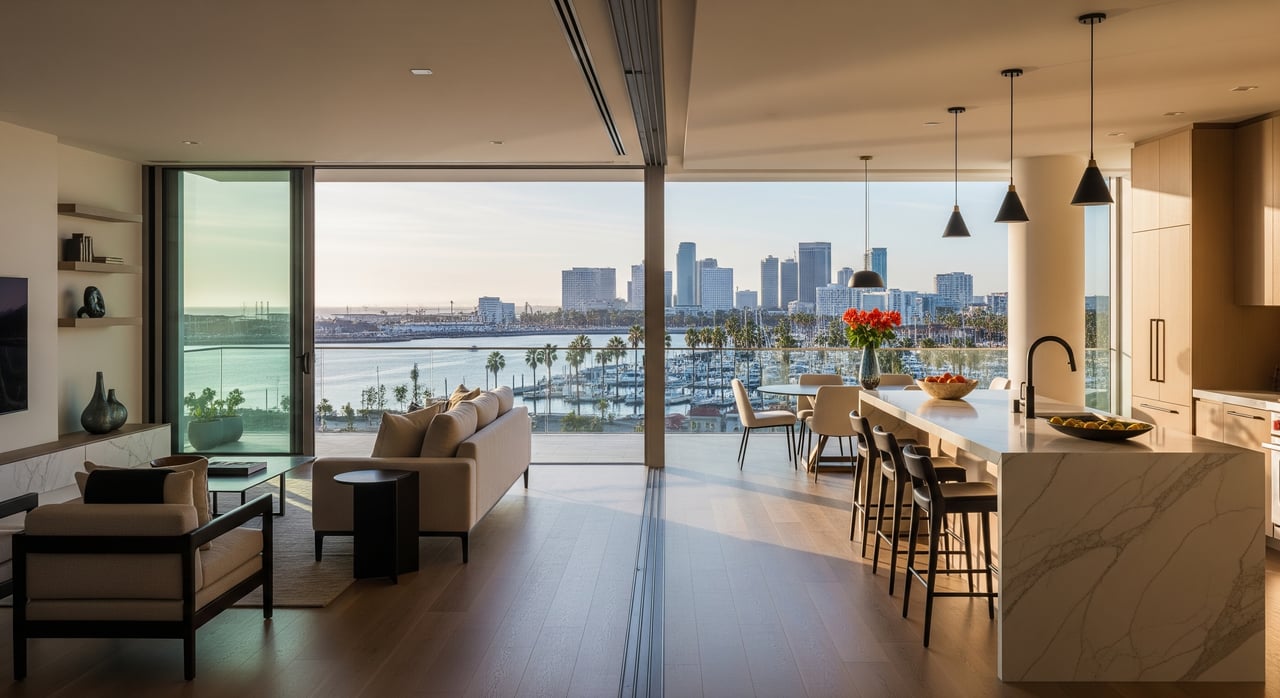
Considering a condo in downtown Long Beach but not sure where to start? With blocks that shift from open artist lofts to full-service towers near the waterfront, the choices can feel exciting and a bit overwhelming. You want walkability, value, and a smooth purchase with no surprise fees or rules. In this guide, you’ll learn how downtown Long Beach condos work, what to look for in HOAs, how parking and transit fit your lifestyle, and the financing and insurance details that matter. Let’s dive in.
What downtown condos look like
Building styles at a glance
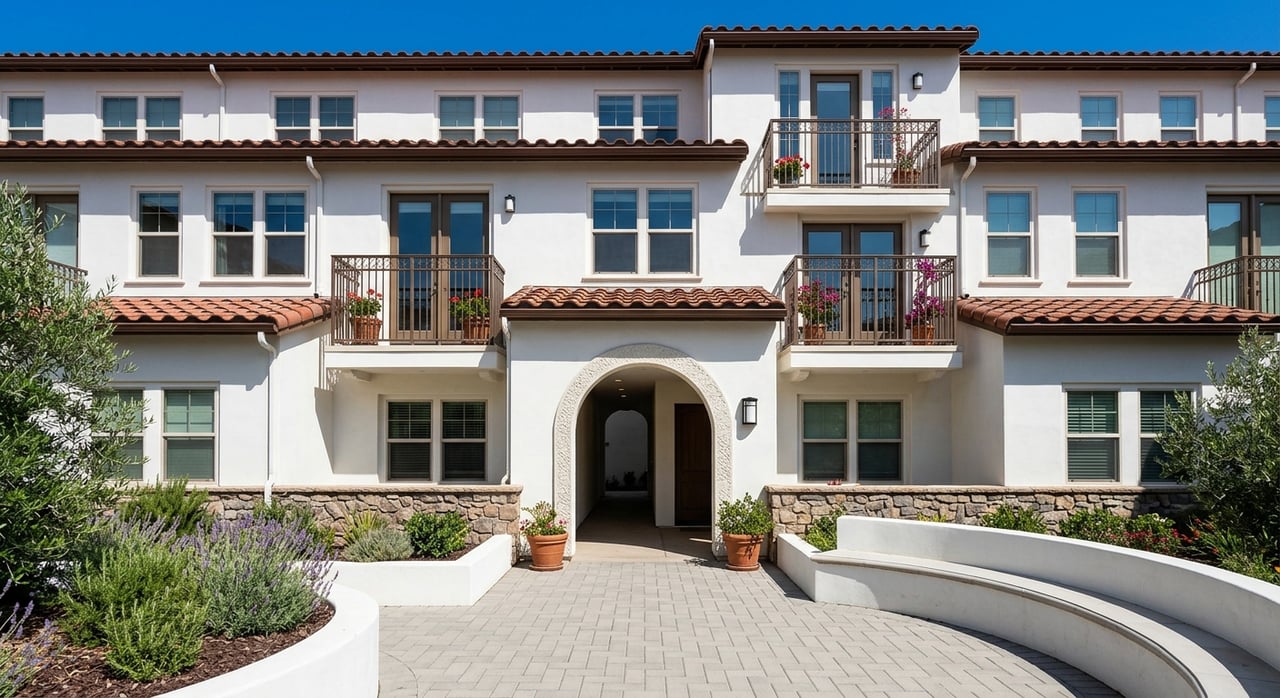
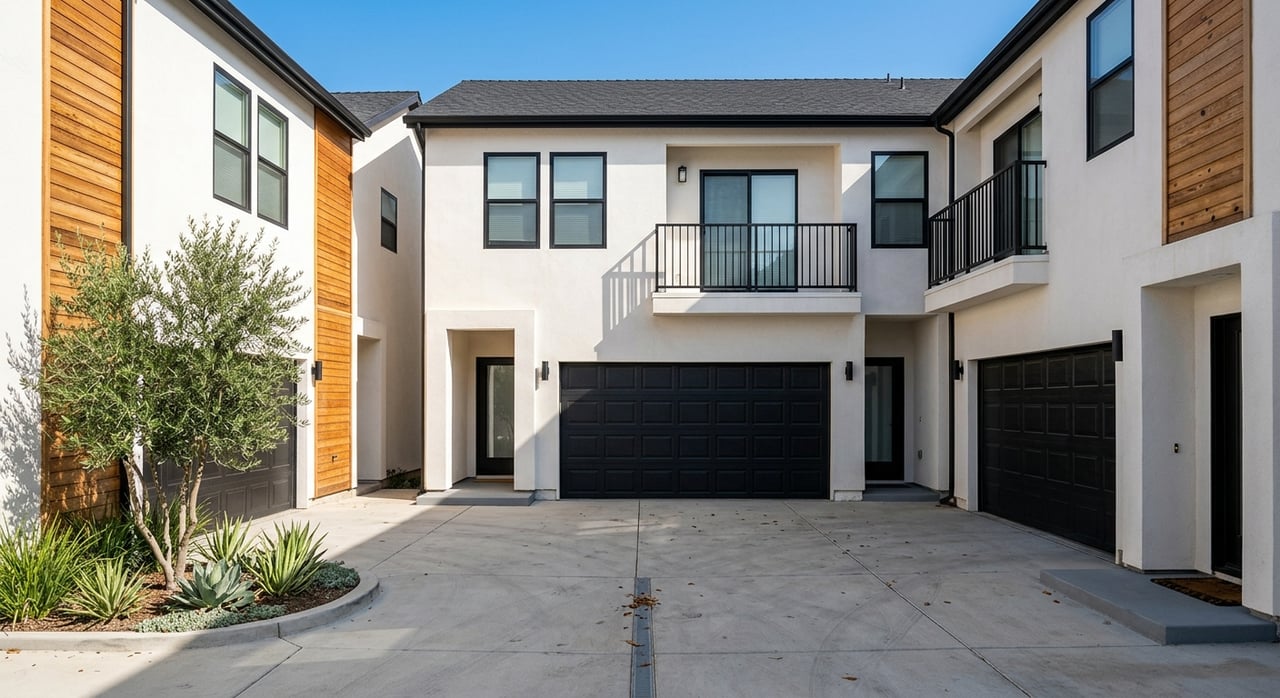
Downtown Long Beach offers a mix of adaptive-reuse loft conversions, mid-rise concrete and steel buildings, modern high-rises with amenities, and smaller courtyard-style complexes. Many newer buildings are mixed-use with retail on the ground floor and residences above. The feel can change block by block across the East Village Arts District, Pine Avenue and the Waterfront, and the Alamitos Beach corridor.
Older conversions often deliver character like exposed brick and high ceilings. Newer projects tend to have more amenities, updated systems, and construction that meets current code, including seismic standards. Your choice will come down to the lifestyle you want and how you weigh charm, amenities, and long-term upkeep.
Unit sizes and layouts
You’ll find everything from compact studios and lofts around 500 to 800 square feet to one- and two-bedroom units, plus larger residences and penthouses. Lofts usually feature open layouts and tall ceilings but may have less built-in storage. Traditional condos offer more defined rooms and can appeal to a wider pool of future buyers.
If you are choosing between a loft and a conventional floor plan, consider privacy, sound transfer, storage, and resale. Water views can add a premium in many buildings. Finish level, building age, and amenities also play a big role in pricing.
How it affects price and resale
Downtown Long Beach often provides more unit variety and inventory than some smaller beach cities. Many buyers compare it to South Bay communities and find it relatively attainable, but prices vary by building, condition, views, and amenity sets. If resale is important to you, remember that conventional floor plans usually cast a wider net than highly specialized loft layouts.
HOA basics that shape daily life
What dues usually cover
In condos, the homeowners association has a direct effect on cost and comfort. Monthly dues typically fund the master insurance policy, cleaning and maintenance of common areas, utilities for shared spaces, and reserves for future repairs. Amenities like pools, gyms, rooftop decks, package rooms, and EV charging stations increase operating costs.
Dues vary widely across downtown. High-amenity towers generally cost more per month, while small buildings with few amenities tend to cost less. Be sure to confirm exactly which utilities are included and which are paid separately by the owner.
Documents to review early
Ask for the HOA packet as soon as you go under contract so you have time to review. Key documents include:
- CC&Rs, bylaws, and rules and regulations
- Current budget and a recent reserve study
- 12 to 24 months of financials and bank statements
- Recent board meeting minutes
- Master insurance certificate with coverage limits and deductibles
- Any disclosures on pending special assessments, major projects, or litigation
- Rental and occupancy policies
- Parking and storage assignment details
Red flags to watch
Look for weak reserves, signs of deferred maintenance, or a history of frequent special assessments. Ask about any active litigation. If you plan to use FHA or VA financing, check whether the project meets eligibility requirements. Confirm that the rules match your plans for pets, renovations, or rentals before you commit.
Everyday rules that matter
Parking assignment and guest parking access can affect daily convenience, especially in a busy urban environment. Review package delivery procedures, security, elevator access systems, smoking policies, and pet rules. Professionally managed buildings often have more formal budgeting and maintenance schedules than self-managed associations.
Parking, transit, and walkability
Parking expectations
Most downtown condos include assigned or deeded parking in a secured garage for at least one vehicle, but always verify how many spaces and whether they are tandem or assigned. Some older buildings and loft conversions may have limited or shared parking. Guest parking is often limited, and some blocks rely on street parking with meters or permits.
EV charging is becoming more common in newer buildings or retrofits. Ask whether chargers are assigned, shared, or require HOA approval for installation.
Getting around without a car
Downtown Long Beach is a regional transit hub. You can access the Long Beach Transit bus network and the Metro A Line terminus, which connects you to the greater Los Angeles rail system. Dedicated bike lanes and a walkable street grid make day-to-day errands and entertainment easier without a car.
Driving access to the I-710, 405, 22, and Pacific Coast Highway is straightforward, but peak traffic can be heavy. If you commute, check typical drive times for your routes at the hours you travel.
Lifestyle tradeoffs
Walkability is a major draw. You can often stroll to restaurants, galleries, fitness studios, Shoreline Village, and the Aquarium of the Pacific. Event days bring extra energy downtown, including festivals and the Grand Prix. If you are noise sensitive, ask about window types, sound insulation, and any relevant HOA policies.
Financing and approvals
Project approval and loan types
Condos come with an extra layer of lender review. Some loan programs require the project to meet eligibility criteria like owner-occupancy levels, reserve strength, and no disqualifying litigation. Not all buildings are FHA or VA approved. If you plan to use these programs, check project approval early.
Conventional loans may also require HOA documents such as financials, CC&Rs, and master insurance. The condition and governance of the building can influence your loan options and rate.
Tips for smoother financing
Start by confirming project eligibility, then gather the HOA packet quickly so your lender can review it. Ask your agent to coordinate with the HOA management company to speed up document requests. If a building is not approved for your preferred program, discuss alternatives with your lender before you write an offer.
Insurance and coastal risks
What policies you may need
The HOA’s master policy covers common elements and, depending on the policy type, may cover structural components up to your interior drywall or only to the studs. You will likely need an HO-6 policy for interior improvements and personal property. Earthquake coverage is commonly recommended in California and is not usually included in standard policies. Flood insurance is separate and may be required if the building lies in a designated flood zone.
Flood, seismic, and retrofit notes
Parts of downtown Long Beach are low-lying along the waterfront, where tidal flooding and sea-level rise are planning considerations. Review local flood maps during due diligence. Many older buildings have completed or planned seismic retrofits. Confirm the building’s retrofit status, whether work is pending, and whether any special assessments are scheduled.
Taxes and local rules
Property taxes and special assessments
California property taxes are based on the assessed value at purchase, subject to state rules. Some newer or planned developments may include special taxes or Mello-Roos. Always review the current tax bill and ask about any additional assessments.
Short-term rentals reality
Long Beach regulates short-term rentals, and many HOAs restrict or prohibit them. If you want flexibility to rent, confirm both city requirements and HOA policies before you buy. Even if allowed, there may be occupancy caps, registration steps, or minimum-stay rules.
Your buyer checklist
Use this list to shop with confidence:
- Verify the unit’s square footage, deeded parking, and storage against title and HOA records.
- Request the full HOA packet early, including budget, reserve study, meeting minutes, insurance, and litigation disclosures.
- Confirm project approval status if you plan to use FHA, VA, or a specific conventional program.
- Ask about upcoming capital projects and whether special assessments are planned.
- Check flood zone status, seismic retrofit history, and any open permits or planned work.
- Review parking details, guest parking, and nearby street permit programs.
- Confirm pet rules, rental limits, and short-term rental restrictions.
- Clarify which utilities are included in dues and which you pay separately.
- Evaluate building condition and systems through disclosures and inspections.
- Align your insurance coverage with the master policy, and consider earthquake and flood options where relevant.
How DK Realty Grp helps
You deserve a trusted local advisor who knows the buildings, understands HOA operations, and can flag red flags before they cost you time or money. With deep roots in Long Beach and the South Bay, DK Realty Grp brings neighborhood insight, hands-on guidance, and experience with condos, lofts, and complex transactions. You get clear communication, practical advice, and access to both on-market and relationship-driven opportunities.
If you are ready to compare buildings, review an HOA packet, or tour options by neighborhood, reach out to DK Realty Grp. Let’s make your move to downtown Long Beach simple, confident, and rewarding.
FAQs
How much are HOA fees for downtown Long Beach condos?
- Fees vary widely by building and amenity level. High-amenity towers usually have higher dues, while smaller buildings may be lower. Always confirm what utilities are included and review the budget and reserve study.
Do downtown Long Beach condos include parking and guest spaces?
- Most condos include at least one assigned or deeded garage space, but the number and type of spaces vary. Guest parking is often limited, and some areas rely on metered or permit street parking.
Is downtown Long Beach walkable and bikeable compared with other beach cities?
- Yes, the downtown core is highly walkable with bike lanes and strong transit, including the local bus network and the Metro A Line terminus. It has a more urban, mixed-use feel than many single-family beach neighborhoods.
Are there environmental or insurance issues to know before buying?
- Review flood zone maps and ask about seismic retrofit history. You will likely need an HO-6 policy and may consider earthquake and flood insurance depending on location and the HOA’s master policy.
Can I use FHA or VA financing for a condo in downtown Long Beach?
- Many lenders finance downtown condos, but project approval matters. Check FHA or VA project eligibility early and have your lender review the HOA’s financials and insurance.
Can I rent my condo short-term in downtown Long Beach?
- Short-term rentals are regulated by the city and often restricted by HOAs. Verify both city rules and HOA policies before relying on short-term rental income.