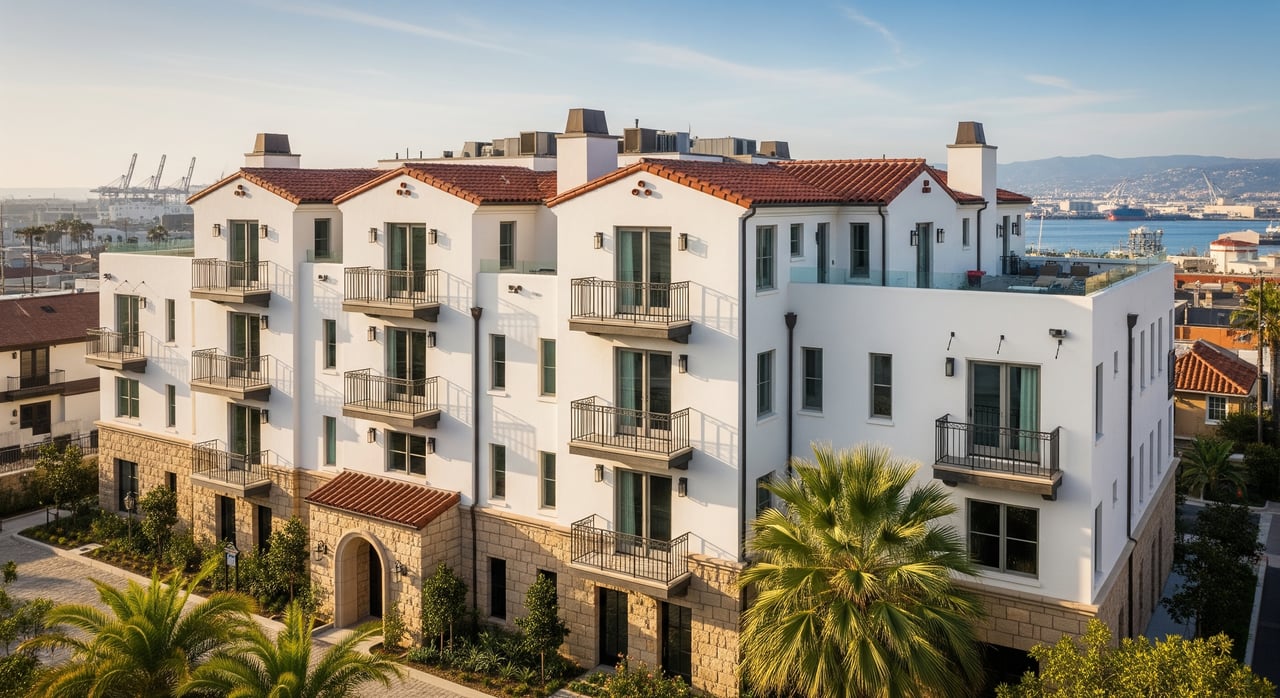
Thinking about house hacking or building rental income in San Pedro? You are not alone. Picking between a duplex, triplex, fourplex, or a small apartment building can feel confusing when each option has different rules, costs, and returns. In this quick guide, you will learn how each property type works locally, the regulations that shape cash flow, the key numbers to run, and a focused due diligence checklist for San Pedro’s older coastal buildings. Let’s dive in.
Multi-unit types at a glance
- Duplex: Two separate homes on one parcel. In San Pedro, layouts are often side-by-side with separate entrances or stacked with one unit above another.
- Triplex: Three units on one parcel. You will see stacked three-levels, two side-by-side with one above, or conversions from older houses.
- Fourplex: Four units on one parcel. Common forms include small two-story walk-ups, 2-over-2 stacked buildings, and older single-family homes converted to four units.
- Small apartment (5–20 units): Typically low-rise walk-ups, 2–4 stories, shared common areas, and centralized utilities.
Each step up in unit count usually means different financing choices, operating costs, and regulatory considerations. The right fit comes down to your budget, time horizon, and comfort managing multiple tenancies.
Local building traits
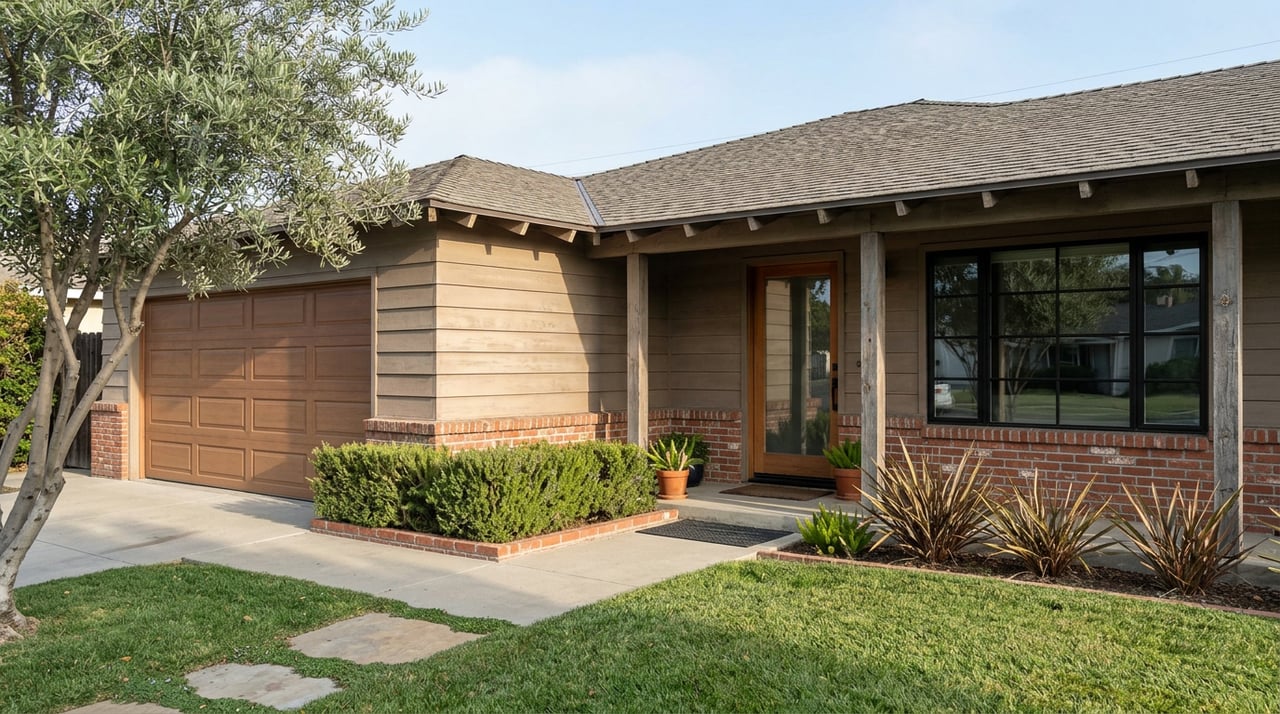
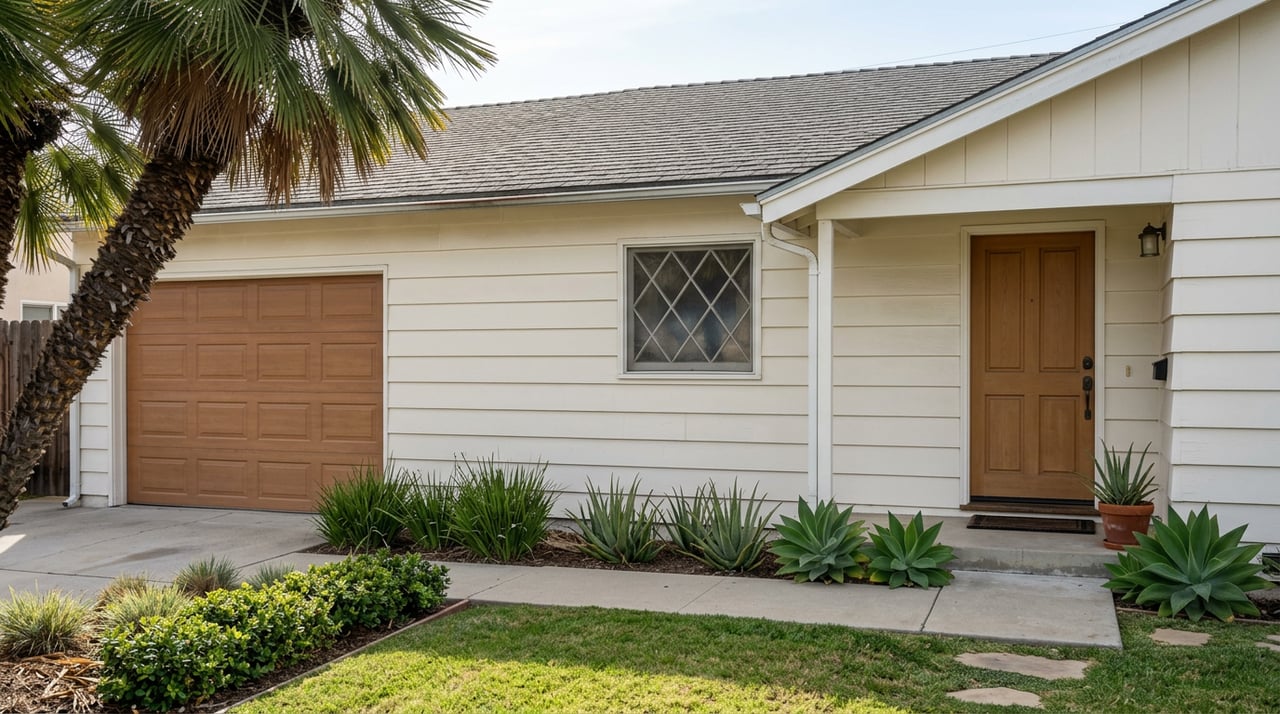
San Pedro’s small multifamily stock is older, with many buildings from the early to mid-20th century. Styles range from Craftsman and Spanish to Victorian and mid-century walk-ups. Most are wood-framed low-rise buildings.
- Unit mixes: One- and two-bedroom units are most common. Studios and 3-plus-bedroom layouts appear, but they are less common in buildings designed as multi-units.
- Conversions: You will find single-family homes converted into 2–4 units, or duplexes reconfigured into triplexes and fourplexes. Always verify permits.
- Systems and finishes: Expect aging plumbing and electrical, older roofing, and original windows in some properties. Coastal salt air increases corrosion risk on exterior metals and can raise insurance costs compared to inland areas.
- Seismic: Some older walk-ups can have soft-story vulnerabilities. Seismic retrofits may be required by the City of Los Angeles.
Zoning and permits
San Pedro sits within the City of Los Angeles. Zoning designations such as R2, R3, R4, and RD guide what you can build or legalize. Unit count depends on the parcel’s zoning, lot size, setbacks, and floor-area ratio.
- Permits matter: Any additions, conversions, or unpermitted units must be verified with the Los Angeles Department of Building and Safety. Unpermitted units are not rare in older coastal neighborhoods.
- Compliance: Check for required seismic retrofits, open permit violations, and whether each unit has a certificate of occupancy. Parcel-specific entitlements come from the Department of City Planning.
Before you tour, confirm zoning, permits, and legal unit count. Do not rely on marketing remarks if public records and permits do not match.
Rent rules in Los Angeles
Rent regulation is a core driver of returns and exit planning.
- State law (AB 1482): For many rentals in California, annual increases are capped at 5% plus local CPI, not to exceed 10% total. There are statutory exemptions, including some newer construction and certain single-family homes under conditions.
- City of Los Angeles RSO: Most rental units built before October 1, 1978 are under the Rent Stabilization Ordinance. The RSO has its own rent rules and eviction protections. Where RSO applies, it governs over state rules.
- Interaction: If a unit is not covered by RSO, AB 1482 may apply unless it is exempt by statute. Confirm the status of each unit before pro forma modeling.
- Short-term rentals: Short-term rental use is regulated in Los Angeles and may require registration or may be restricted based on unit type and building.
- Property taxes: Proposition 13 sets the tax basis at sale with annual limits on assessed value increases. Expect roughly 1% of assessed value plus local assessments.
Knowing which rules apply to each unit will change your underwriting and renovation plan.
Financing by unit count
Financing options often hinge on whether a property has 2–4 units or 5-plus units.
- 2–4 units: Owner-occupants can consider FHA-insured mortgages if they live in one unit. FHA’s typical minimum down payment is 3.5% subject to credit and eligibility. Conventional loans from Fannie Mae and Freddie Mac are widely used for both owner-occupants and investors and often require larger down payments and reserves compared to single-family.
- Portfolio lenders: Local banks or portfolio lenders can be flexible for unique small multifamily situations.
- 5-plus units: Lending is commercial. Underwriting, recourse, and loan sizing differ from residential loans.
Your loan choice influences cash-on-cash returns, reserves, and appraisals. Compare multiple scenarios before making offers.
Investor metrics to run
Run these numbers before you tour. They set expectations and help you compare deals.
- Net Operating Income (NOI)
- Formula: NOI = Effective Gross Income − Operating Expenses (exclude mortgage)
- Why it matters: Forms the basis for valuation and cap rate.
- Capitalization Rate (Cap Rate)
- Formula: Cap Rate = NOI / Purchase Price
- Why it matters: Quick yield proxy to compare income returns across properties.
- Gross Rent Multiplier (GRM)
- Formula: GRM = Purchase Price / Gross Scheduled Income
- Why it matters: Fast valuation screen when expense data is thin.
- Cash-on-Cash Return
- Formula: Cash-on-Cash = Annual Before-Tax Cash Flow / Total Cash Invested
- Why it matters: Shows your actual cash yield given your financing.
- Debt Service Coverage Ratio (DSCR)
- Formula: DSCR = NOI / Annual Debt Service
- Why it matters: Many lenders look for DSCR above 1.2 to 1.25.
- Vacancy allowance
- Heuristic: Use 5–8% for stabilized small multifamily unless your data shows otherwise.
- 50% rule
- Heuristic: For a quick screen, estimate operating expenses around 50% of gross rental income. Replace with actuals during due diligence.
A simple comparison sequence
- Confirm current rents and market rents for any vacant units.
- Adjust to effective gross income by applying a vacancy factor and adding other income such as laundry or parking.
- Subtract documented operating expenses to calculate NOI.
- Compute cap rate and GRM. Compare to sales of similar age, unit mix, and location in San Pedro.
- Model financing to see cash-on-cash and DSCR.
- Add near-term capital needs like roof, HVAC, plumbing, windows, or any seismic retrofit.
Due diligence checklist
Be thorough. San Pedro’s older coastal buildings reward careful verification.
Legal and title
- Confirm deed and owner of record.
- Verify legal unit count and any easements or CCRs.
- Review sale history and check for open liens or 1031 exchange considerations.
Zoning and permits
- Confirm zoning and permissible uses with City Planning.
- Search LADBS for unpermitted work, open permits, and violations.
- Verify certificate of occupancy for each unit and any conversions.
Rent and tenants
- Review the rent roll, lease terms, security deposits, and payment history.
- Determine if each unit is subject to LA RSO, AB 1482, or exempt.
- Understand rent increase history and any relocation obligations for no-fault evictions under local rules.
Physical inspection and capital needs
- Structure: foundation, framing, settlement.
- Roof: age, leaks, remaining useful life.
- Seismic: identify soft-story risks and retrofit status.
- Systems: plumbing type, electrical capacity and wiring, HVAC age, water heaters.
- Pests: termite and wood-destroying organisms.
- Hazards: lead-based paint disclosures for pre-1978 units, potential asbestos, and mold.
- Utilities: metering configuration and who pays which utilities.
- Life safety: egress, smoke detectors, fire extinguishers, and stair or handrail conditions.
- Environmental: possible soil contamination near industrial areas, flood maps, coastal zone considerations.
Financial records
- At least 24 months of profit and loss statements.
- Utility bills for 12–24 months.
- Insurance history and current premium quotes.
- Current property tax bill and any special assessments.
- Reserve history for capital replacements.
Operations
- Determine if the property is owner-managed or professionally managed and the cost.
- Review rent collection procedures and operating history.
- Confirm parking count and any assignments.
Budget after closing
- Set aside reserves for deferred maintenance and capital items.
- Plan for potential tenant relocation or rehabilitation to bring units into compliance.
- Model short-term vacancy and turnover costs.
What drives value in San Pedro
A few local factors often move pricing and cap rates:
- Micro-location: Proximity to the waterfront and downtown amenities, views, and access to freeways and port employment all influence demand.
- Condition: Deferred maintenance, aging systems, and retrofit needs can change returns quickly.
- Rent rules: RSO status versus AB 1482 or exemptions can reshape cash flow and exit timing.
- Unit mix: A higher share of 2-bedroom and 3-bedroom units can support higher per-unit rents.
- Comparable sales: Look for similar unit count, vintage, and condition within San Pedro.
Before touring, pull recent sold comps, current market rents by unit type, and typical vacancy for San Pedro. Insurance and property tax quotes specific to the parcel help you refine your pro forma.
Your next step
If you want a clear path from first tour to confident underwriting, bring a simple packet to each showing: rent roll, leases, last 24 months of P&L, utility bills, current tax bill, and permit history. Pair that with your NOI, cap rate, GRM, cash-on-cash, and DSCR worksheets so you can compare buildings quickly.
When you are ready to run numbers, preview listings, or confirm a property’s permit and rent status, reach out to DK Realty Grp for local guidance. You will get hands-on support rooted in South Bay experience, plus a practical plan tailored to your goals.
FAQs
What counts as a duplex, triplex, or fourplex in San Pedro?
- A duplex has two units, a triplex has three, and a fourplex has four units on one parcel, typically in side-by-side, stacked, or converted configurations common to San Pedro’s older stock.
How do I confirm if a unit is under LA’s Rent Stabilization Ordinance?
- Check the building’s year built and verify with the City’s rent stabilization resources to see if units built before October 1, 1978 fall under RSO, then confirm registration and status for each unit.
What are the key financing differences between 2–4 units and 5-plus units?
- Two-to-four unit properties can use residential financing such as FHA for owner-occupants and conventional loans, while 5-plus units are financed with commercial multifamily loans.
What should I inspect first on older coastal buildings?
- Start with structure, roof, and seismic risks, then assess plumbing, electrical, HVAC, water heaters, and signs of corrosion from salt air, followed by life safety and environmental checks.
How do I estimate vacancy and expenses before I have full records?
- Use a 5–8% vacancy allowance and the 50% expense rule as a quick screen, then replace with actual P&L, utility bills, tax bills, and insurance quotes during due diligence.
Are short-term rentals allowed in small multifamily in Los Angeles?
- Short-term rentals are regulated in Los Angeles and may be restricted or require registration based on unit type and building, so verify rules before assuming any STR income.