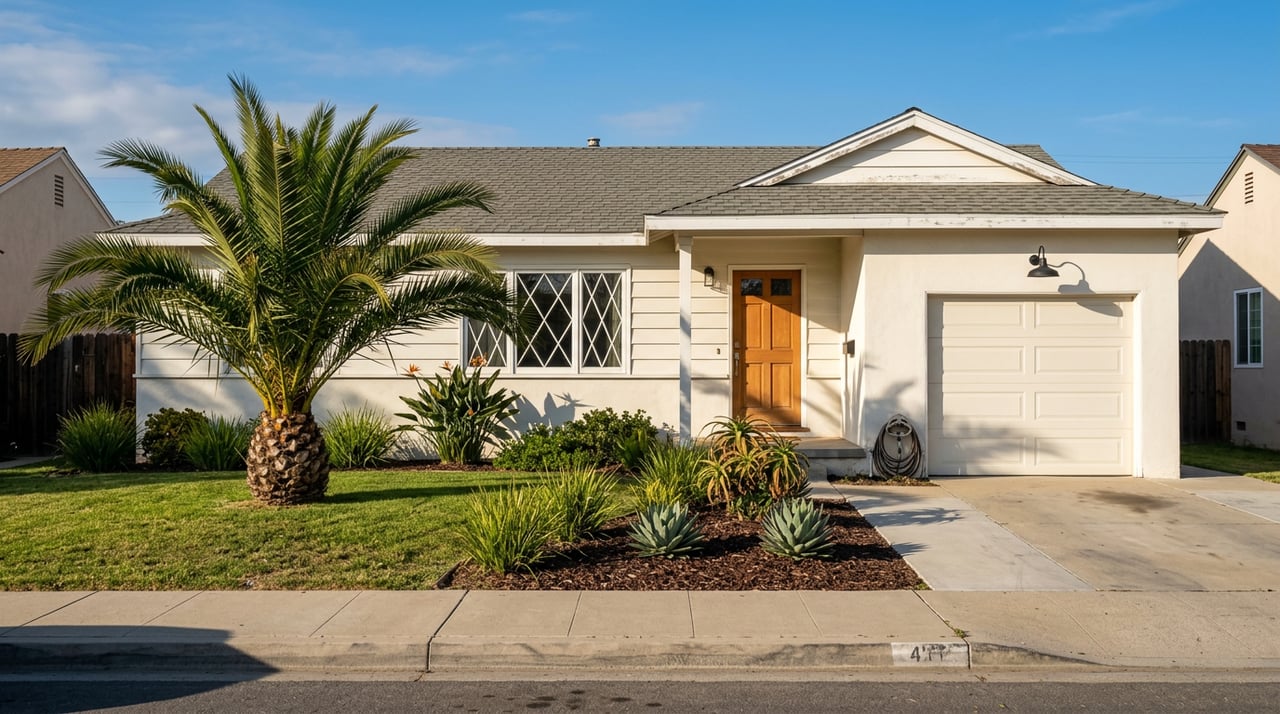
Buying your first place in Lakewood or wondering if it is time to level up? You are not alone. Many neighbors start in a cozy post‑war ranch, then weigh a move for more space, a better layout, or a smarter monthly payment. In this guide, you will see what Lakewood starter homes really look like today, where prices sit, and the most practical next‑step paths, from moving up locally to exploring ADUs or refinancing. Let’s dive in.
Lakewood market snapshot in early 2026
Lakewood’s single‑family market is steady and competitive. Vendor snapshots show a median sale price around $870,000 as of January 2026, with Zillow’s typical home value near $852,000. Different data providers use different methods, so expect small variations across sources month to month.
Homes are receiving multiple offers, and typical days on market often run in the multiple‑week range. Inventory moves, but not overnight for every home, so pricing, prep, and timing still matter.
If you plan a purchase with financing, track interest rates. The national 30‑year fixed average sat near 5.98% in late February 2026, according to Freddie Mac’s weekly PMMS. A quarter‑point shift can change your monthly budget and what you can comfortably afford.
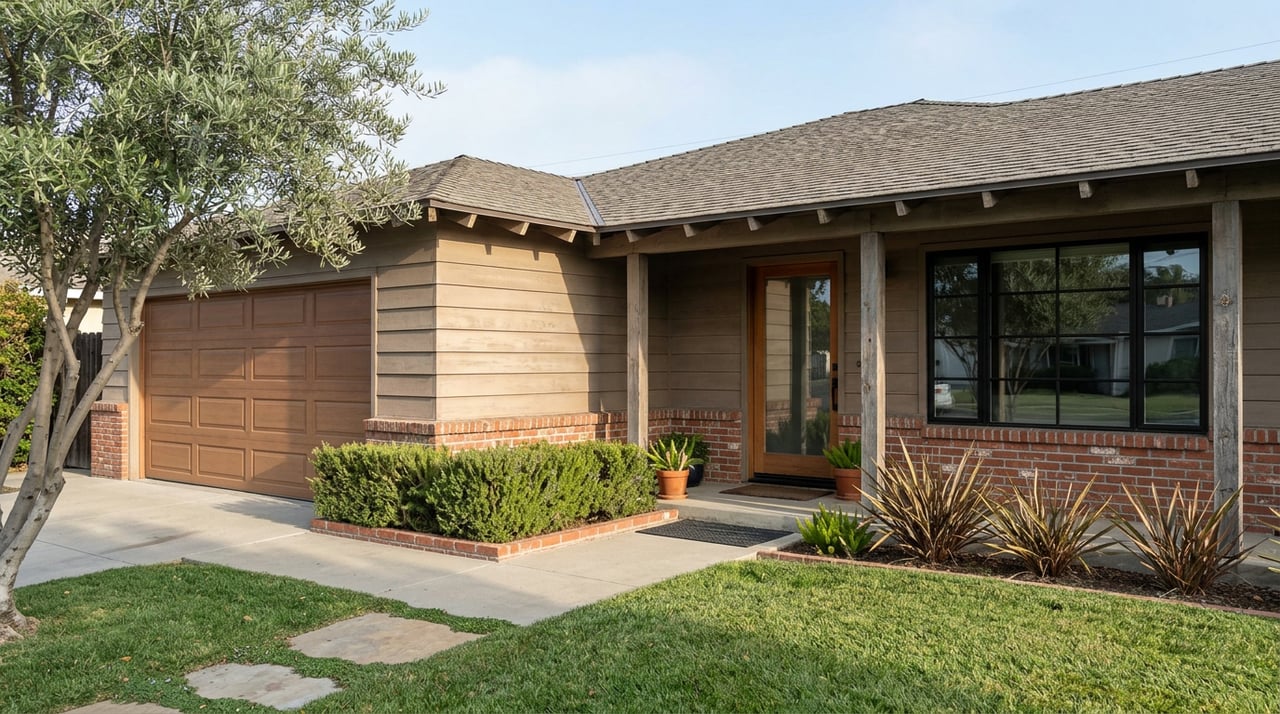
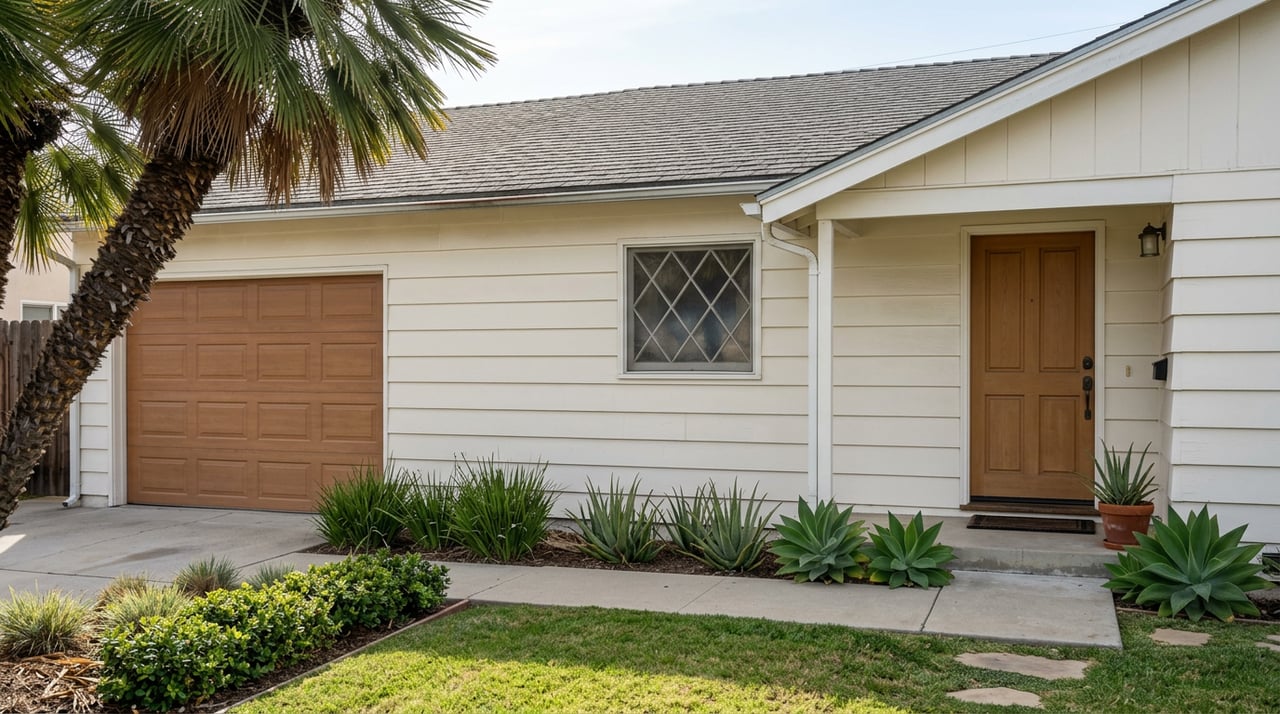
What a Lakewood starter home looks like
Lakewood grew fast in the early 1950s as a planned post‑war suburb. Most blocks were built with single‑story ranch and bungalow homes on compact lots. You still feel that pattern today, which is part of the area’s charm and consistency. For a quick local history refresher, the county library’s page on Lakewood’s development is a helpful primer. You can find it at the LA County Library Lakewood local history page.
Typical floor plans and sizes
Starter‑level homes here are most often 2–3 bedrooms, 1–2 bathrooms, and about 900–1,600 square feet. Some properties include permitted additions or garage conversions that push the layout into a more flexible family setup. Smaller homes around 900–1,100 square feet are usually the most accessible entry point, while updated homes in the 1,300–1,600 square‑foot range often land in move‑up territory.
Lot sizes and parcel shape
Most lots are modest, commonly about 5,000–6,000 square feet, with many parcels close to a 50‑by‑100‑foot footprint. Some pockets step up to around 7,000 square feet. That scale supports comfortable outdoor space for seating, play, or a small garden without a high yard workload.
Price bands you will actually see
Use the current median as an anchor, then look within typical bands:
- Entry or starter band: $600,000–$900,000. These are smaller ranches, homes needing light updates, and an occasional condo or duplex unit depending on inventory.
- Move‑up band: $900,000–$1.25M. Larger single‑family homes, renovations, and bigger lots. Neighborhoods such as Lakewood Estates and El Dorado Park Estates tend to sit here.
- Premium: $1.25M and up. Substantially larger lots, extensive remodels, or standout locations.
Treat these as snapshots, not hard rules. Listings rotate every week, so ask for active comps when you are ready to write an offer or price your sale.
Your next‑step options in and around Lakewood
Every path starts with the same two questions: what do you need next, and what does your budget allow. From there, you can focus on the scenario that fits best.
Move up inside Lakewood
If you love Lakewood’s feel and want more space, look for larger homes or renovated properties in neighborhoods like Lakewood Estates and El Dorado Park Estates, along with select pockets near parks. These areas often command higher prices due to larger floor plans and lot sizes.
Practical next steps:
- Ask for a comparative market analysis to estimate your likely sale price.
- Map your net proceeds. Sale price minus your outstanding mortgage and transaction costs equals your down payment for the next home.
- Align timing. If you need to sell to buy, consider a rent‑back or a well‑timed contingency plan.
Consider nearby cities when size or budget is tight
If Lakewood’s inventory or lot size is limiting, you can broaden the search and compare tradeoffs.
- Long Beach often reports a citywide median in the $900,000‑plus range, but it varies widely by neighborhood and product type. You will see more condos, townhomes, and urban options that can fit a range of budgets.
- Cerritos frequently reports medians around $1.1M, with many neighborhoods priced higher because of larger homes and newer stock in places.
- Bellflower often lands in the mid to high $800,000s, which can help if price and commute are the main drivers.
Think about commute preferences, zoning for ADUs, and the types of homes you prefer when comparing these options. Keep descriptions neutral and focus on fit and function for your lifestyle.
Add rental income or invest: ADUs and holds
Zillow’s rent index shows average local asking rents around $3,310 per month for Lakewood. If you compare that to a median sale price near $870,000, you get an illustrative gross rental yield around 4–4.6%. That is a simple top‑line ratio that does not include taxes, insurance, repairs, management, or financing. Your net return would be lower after those costs.
Many owners ask about building an accessory dwelling unit for added flexibility. Lakewood allows ADUs, but there are important local rules. For ADUs permitted on or after January 1, 2025, the municipal code includes owner‑occupancy and recorded‑notice requirements. You can review the current language in the city’s code at the Lakewood municipal code for ADUs. These standards shape how ADUs function as investments.
Practical takeaways:
- If you hope to rent both the main home and ADU as a pure investment in Lakewood, the owner‑occupancy requirement could limit that plan.
- Many owners use ADUs for multigenerational housing, a home office, or supplemental income while they live on site.
- Before penciling in rental income, confirm setbacks, size limits, permit process, and expected timelines with the city planning department.
Refinance versus stay put
If you like your home but want a lower payment or a better loan term, run the refi math. The national 30‑year fixed average was about 5.98% the week of February 26, 2026, per Freddie Mac’s PMMS. If your current rate is much higher, a refinance could help.
Closing costs typically run about 3% to 6% of the loan amount. The Federal Reserve’s consumer guide explains a simple break‑even formula: closing costs divided by your monthly savings equals months to break even. See the full overview in the Fed’s A Consumer’s Guide to Mortgage Refinancings.
Loan size matters in Los Angeles County. For 2026, the high‑cost conforming loan limit for a 1‑unit property is $1,249,125, according to the FHFA’s 2026 conforming loan limit announcement. Staying within conforming limits can preserve more favorable underwriting and pricing compared to jumbo loans.
Finally, do not forget holding costs. California’s effective property tax rate often falls around 1.1% to 1.2% of assessed value, plus local assessments. For context on how property taxes work in the state, visit the LAO’s property tax overview.
A quick Lakewood checklist
Use this to plan your first purchase or a smart move‑up.
- Get pre‑approved. Know your interest rate range, max purchase price, and monthly comfort zone.
- Understand the market. Median sale price sits in the low to mid $800,000s to $900,000s, with multiple‑week days on market typical. Expect competition for well‑priced homes.
- Define must‑haves. Bed and bath count, layout, yard needs, and parking drive your daily life more than raw square footage.
- Price bands. Starter homes commonly list in the $600,000–$900,000 range; move‑ups often land $900,000–$1.25M.
- Equity check. If you already own, ask for a CMA. Estimate net proceeds after loan payoff and closing costs to set your next down payment.
- ADU reality check. Read the city’s ADU rules, including owner‑occupancy and recorded‑notice standards, at the Lakewood municipal code.
- Refi break‑even. Use the Fed’s formula and check the Freddie Mac PMMS for current rate context.
- Taxes and insurance. Use an estimated 1.1% to 1.2% for property taxes in your budget and confirm current premiums for homeowner’s insurance.
Make a plan with a local guide
Whether you are targeting your first Lakewood ranch or planning a thoughtful move‑up, the clearest path starts with good numbers and a grounded strategy. You deserve a steady, local advocate who knows how these homes live, what they trade for today, and how to navigate ADUs, loan limits, and timing.
If you want a clean plan and clear next steps, reach out to DK Realty Grp for a quick consult or to request a free home valuation. You will get practical pricing guidance, a tailored search, and a plan that fits your timeline.
FAQs
Is Lakewood a good place for a first home purchase?
- Lakewood is largely single‑family and owner‑occupied, with a notable share of post‑war ranch homes on manageable lots. The owner‑occupancy rate is about 71% per recent Census data, which signals a stable homeowner presence. Expect modest inventory and some competition at the entry level. See the city’s snapshot at U.S. Census QuickFacts.
What do typical starter homes in Lakewood look like?
- Many are single‑story ranch or bungalow layouts with 2–3 bedrooms, 1–2 bathrooms, and about 900–1,600 square feet. Lots commonly measure about 5,000–6,000 square feet, often near a 50‑by‑100‑foot parcel shape. These patterns date to the city’s 1950s planned development, summarized by the LA County Library’s Lakewood history page.
Can I build an ADU in Lakewood to offset my mortgage?
- ADUs are allowed, but for permits issued on or after January 1, 2025, Lakewood requires owner‑occupancy and a recorded notice for certain ADUs. Many owners use ADUs for family housing or supplemental income while living on site. Always confirm current standards with the city. Review the code at the Lakewood municipal code for ADUs.
Should I refinance my Lakewood home or sell and buy a bigger one?
- Compare your current mortgage rate to the national average from Freddie Mac’s PMMS, then run the break‑even math using the Federal Reserve’s guide. If you plan to stay past your break‑even and rates are lower than your current rate, a refi can help. If you need more space soon and your equity supports the move, selling and buying up may be cleaner.