Trying to choose between a condo and a townhome in Redondo Beach? You are not alone. Both offer great ways to live near the coast, but they work very differently when it comes to ownership, financing, HOA rules, and maintenance. This guide breaks down the essentials so you can match your lifestyle and budget to the right property type. Let’s dive in.
Ownership basics
Condo ownership means you own the interior of your unit plus a shared interest in the common areas. The homeowners association manages the building and common systems. In California, condos are governed by the Davis‑Stirling Common Interest Development Act, which outlines how HOAs operate, what they must disclose, and how they handle budgets and meetings.
Townhomes can be fee simple or set up like condos. Fee-simple townhomes usually give you ownership of the structure and the land under it. Some townhomes are part of a Planned Unit Development with an HOA for shared spaces. Others are legally condominiums even if they look like row homes. Always confirm the legal structure before you write an offer.
HOA duties and fees
Condos typically have the HOA cover the exterior, the roof, major building systems, landscaping, and common-area insurance. This can simplify upkeep, which many coastal buyers prefer. The tradeoff is often higher and more predictable monthly dues.
Townhome HOAs vary widely. In many fee-simple communities, you handle your own roof, exterior siding, and private yard, while the HOA takes care of shared landscaping and amenities. That can mean lower dues if there are fewer amenities. It can also mean bigger out-of-pocket costs when exterior components need work.
Before you buy, request the HOA budget, reserve study, and meeting minutes. Strong reserves reduce the risk of special assessments, which are more common in older coastal buildings with deferred maintenance.
Financing and approvals
Condos often require project-level approval by lenders. Many banks follow Fannie Mae, Freddie Mac, FHA, or VA guidelines that look at HOA financial health, insurance, owner-occupancy, and delinquency rates. If a building is not approved, financing can still be possible through other lenders, but terms may be stricter.
Fee-simple townhomes and many PUDs are usually treated more like single-family homes by lenders. That can make financing more straightforward. If the townhome is a condominium legally, expect a review similar to condos.
Speak with a lender early. Ask about down payment options, any project approval needs, and whether owner-occupancy levels or HOA reserves could affect your loan.
Insurance and coastal risks
Condo HOAs usually carry a master policy for the structure and common areas. As an owner, you would likely carry an HO‑6 policy for your interior, personal property, and loss assessments. Confirm master policy deductibles and what is covered.
Townhome owners often need broader HO‑3 coverage if they own the roof and exterior. Clarify exactly which components are your responsibility under the CC&Rs so your policy matches your exposure.
In coastal areas like Redondo Beach, insurance can cost more. You may need added coverage for wind or flood if a property sits in a FEMA flood zone. Earthquake coverage is a separate decision in California. Higher deductibles or exclusions on the master policy can increase your risk of assessments after a major event.
Taxes and special assessments
Property taxes in Los Angeles County are reassessed when you buy, consistent with state law. Some newer communities may include special taxes, such as Mello‑Roos. Ask your agent and escrow team to confirm whether any special districts apply. In both condos and townhomes, special assessments can be levied by the HOA for major repairs.
Redondo Beach lifestyle trade-offs
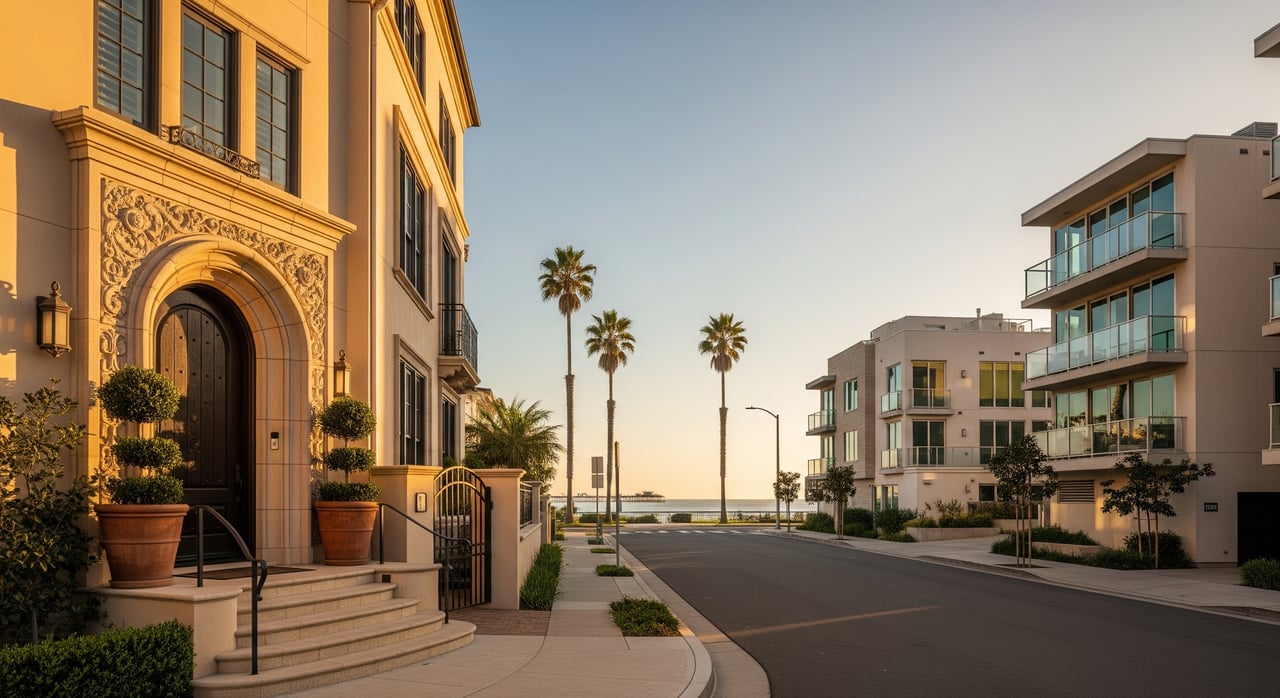
Condos often cluster closer to the sand and pier with walkable access to shops and dining. You may enjoy premium views from higher floors. Expect more tourism, foot traffic, and parking pressure near the beach, along with tighter building rules.
Townhomes often offer more space, private garages, and a bit of yard or patio. Many are a short distance inland, where streets can feel more residential. If you value privacy, storage, and control over your exterior, a fee‑simple townhome can be a great fit.
Parking and storage
Parking can be a deciding factor in Redondo Beach. Condos often have assigned garage or carport spaces with limited guest parking. Townhomes typically include private garages and more storage for boards, bikes, and beach gear. Check street-permit rules and HOA guest parking policies before you buy.
Rentals and short-term rentals
Coastal HOAs and cities commonly restrict short-term rentals. Redondo Beach has municipal rules, and most HOAs have their own rental policies. If you plan to rent or house hack in the future, confirm both city regulations and HOA documents early. Owner-occupancy ratios can also impact lending options.
Coastal hazards and permits
Properties in the coastal zone can face extra permit steps. Coastal hazards include erosion, sea-level rise, and storm surge. Older buildings near the beach may also require seismic or building-envelope upgrades over time. Ask about any planned municipal projects, such as seawall work or beach nourishment, that could affect assessments or construction access.
Due diligence checklist
Request these items before you remove contingencies:
- HOA documents: CC&Rs, bylaws, rules, last 12–24 months of meeting minutes, current budget, reserve study, financials, insurance certificate, and an estoppel letter.
- Lender basics: any condo project approvals required and the building’s owner-occupancy and delinquency rates if applicable.
- Seller disclosures: Transfer Disclosure Statement, Natural Hazard Disclosure, and any flood-zone information.
- Title items: easements, recorded maintenance agreements, solar agreements.
- Permits: building and coastal permits, plus any code-enforcement history.
- Inspections: general home inspection, roof and exterior-envelope reviews, termite, and engineering reports if structural or shoreline questions exist.
Key questions to ask the HOA or seller:
- What does the master insurance cover and what are deductibles? Are earthquake or flood included?
- Any planned special assessments, major repairs, or litigation?
- How strong are reserves and how have dues changed over the past 3 to 5 years?
- What are rental and short-term rental rules and the current owner-occupancy rate?
- For townhomes, which exterior items are owner versus HOA responsibility?
Red flags to pause on:
- Low reserves with aging roofs or building envelopes, especially near the shoreline.
- Ongoing litigation or high HOA delinquency.
- Lapsed or denied condo project approvals that could limit financing and resale.
- Restrictions that do not match your intended use.
- Properties in high-risk flood zones without appropriate coverage.
Which is right for you?
Choose a condo if you want low exterior maintenance, walkable beach living, and are comfortable with structured HOA rules and dues. This can be ideal if you value views and amenities and prefer predictable upkeep handled by the association.
Choose a townhome if you want more living space, a private garage, and some outdoor area. This can be ideal if you value control over your exterior and do not mind taking on roof or yard maintenance. Verify whether the townhome is fee simple or a condo legally, since that affects financing and insurance.
Get local guidance
Every building and HOA tells a different story. The strongest move is to pair clear goals with the right due diligence and a local plan for financing and insurance. If you are weighing a condo versus a townhome in Redondo Beach, let a South Bay-savvy, boutique practice guide you through the details and the documents.
Ready to compare options and see live inventory? Reach out to DK Realty Grp for a focused consult or to get your free home valuation.
FAQs
What is the main difference between a condo and a townhome in California?
- A condo owner typically owns the interior airspace and shares common areas through an HOA, while many townhome owners hold the land and structure in fee simple, though some townhomes are legally condos.
How do HOAs differ between Redondo Beach condos and townhomes?
- Condo HOAs often cover the exterior, roof, and building systems, while many townhome HOAs focus on shared landscaping and amenities with owners responsible for roofs and exteriors.
What financing hurdles should I expect for Redondo Beach condos?
- Many lenders require condo project approval, and buildings with weak reserves or low owner-occupancy can face tougher terms or fewer loan options.
What insurance do I need for a coastal condo or townhome?
- Condo owners generally carry an HO‑6 policy for interiors and assessments, while many townhome owners need an HO‑3 that covers exterior components; confirm master policy and deductibles.
Are short-term rentals allowed in Redondo Beach condos or townhomes?
- Rules vary by city code and HOA; many coastal communities restrict or prohibit short-term rentals, so verify both sets of rules before buying.
What documents should I review before buying into an HOA community?
- Request CC&Rs, rules, recent minutes, budgets, reserve studies, insurance certificates, an estoppel letter, and any project-approval details if it is a condo building.