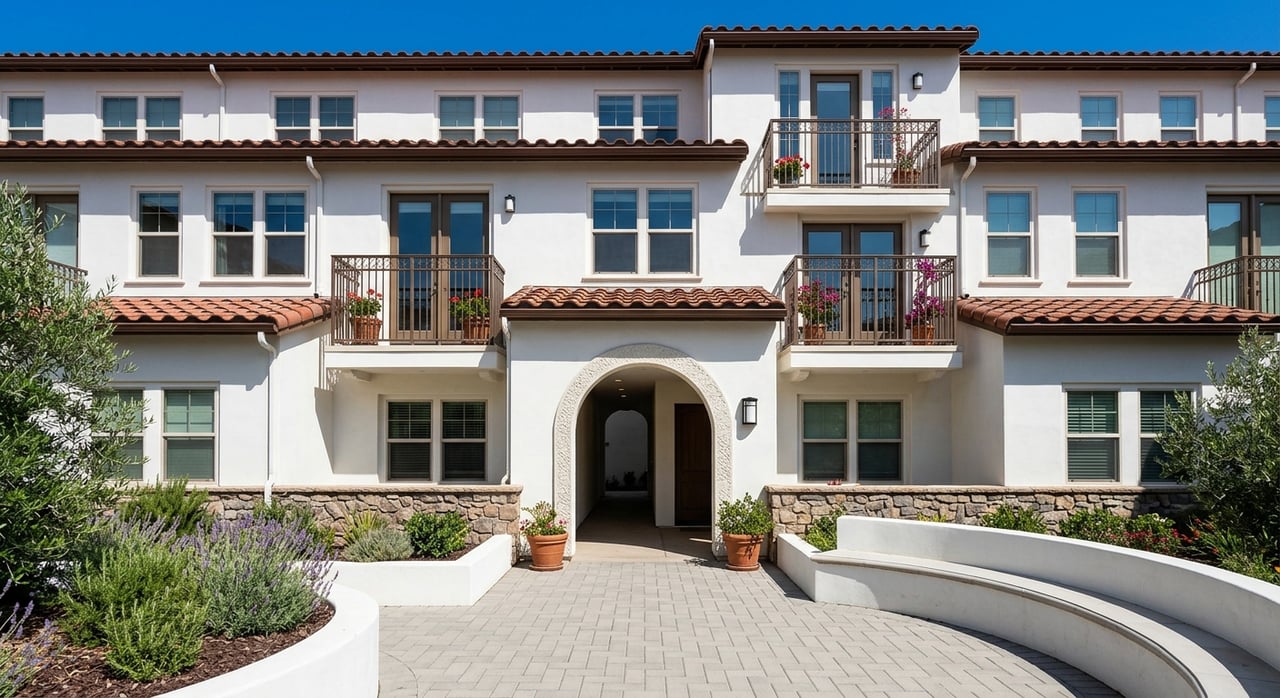
If you want a home that feels easier to own, Seal Beach deserves a close look. For many buyers, the goal is simple: spend less time on exterior upkeep and more time enjoying the coast, nearby shops, or a more streamlined daily routine. Seal Beach offers several condo and attached-home paths that can support that lifestyle, but each one works a little differently. Let’s dive in.
Why Seal Beach fits low-maintenance buyers
Seal Beach is a small coastal city with a strong owner-occupied housing base. City housing data shows that more than three-quarters of housing units are owner-occupied, which is notably higher than the regional share. Census QuickFacts in the city’s housing element also notes a 75.9% owner-occupied rate, a median owner-occupied value of $492,200, and an average household size of 1.90 persons.
That matters if you are looking for a simpler ownership model. The city supports compact development and public transportation near commercial areas, which makes attached housing a logical fit in the places where it is actually planned. In other words, Seal Beach can work well for low-maintenance living, but your options are concentrated in specific parts of the city rather than spread evenly everywhere.
Where condo-style living is concentrated
Seal Beach’s housing element points to a few key areas where attached homes, condos, and other higher-density options are more common. If you are shopping for low-maintenance living, these are usually the places worth comparing first. Your day-to-day experience can vary quite a bit depending on whether you want a coastal, pedestrian-oriented setting or a more inland residential feel.
Old Town and Main Street
Old Town and Main Street are the clearest fit if walkability is high on your list. The city describes the Main Street Specific Plan area as the traditional downtown commercial core of Old Town, with a mix of retail, office, micro-scale manufacturing, and residential uses. It also identifies Main Street as a pedestrian-friendly area connected to the Seal Beach Pier and ocean amenities.
For buyers, that often translates into a more lock-and-leave lifestyle. You may be able to do more on foot and rely less on a large property footprint. The tradeoff is practical: the city notes that parking demand can exceed supply when beach and weather conditions draw more visitors.
Inland medium-density areas
If you want attached housing without the busier coastal setting, inland medium-density areas may be a better match. The city identifies medium-density housing areas in Bridgeport, portions of College Park East, and a neighborhood adjacent to Old Ranch Town Center. These districts can include duplexes, townhouse projects, apartments, and small-lot homes.
This type of setting can appeal to buyers who want lower exterior upkeep while staying in a more conventional inland neighborhood pattern. You may give up some beach-adjacent walkability, but you may gain a broader mix of attached-home formats to compare.
Inland high-density areas
Seal Beach also identifies high-density areas in Old Town, Leisure World, and developments adjacent to the Shops at Rossmoor. The city’s zoning framework allows multi-unit condominiums and apartments in high-density districts. There is also a limited commercial area along Seal Beach Boulevard between Landing Avenue and Electric Avenue that mixes high-density residential with low-intensity office and small commercial uses.
For you as a buyer, these areas can offer some of the most straightforward low-maintenance options because they are built around attached or multi-unit living. The key is to look beyond the floor plan and understand how the property is governed, what the monthly dues cover, and how the location supports your daily routine.
Leisure World is its own category
Leisure World is a major part of the low-maintenance ownership picture in Seal Beach, but it is important to understand that it does not operate like a standard condo community. According to the official community information, it spans 531 acres, includes about 6,608 residential units, and has about 9,500 residents. It is also a gated 55-plus community.
Governance is a big difference here. The community is divided into 16 self-governing Mutuals, and most are structured as stock cooperatives rather than standard condominiums. Mutual 17 is the condominium project, while Mutuals 1 through 12 and 14 through 16 are California nonprofit mutual benefit corporations formed as stock cooperatives.
That structure affects how you buy, how costs are organized, and how rules are enforced. Leisure World also offers amenities and services that many buyers find appealing for low-maintenance living, including a 9-hole golf course, clubhouses, gardens, fitness spaces, free bus service, on-site health care, and 24-hour security. If you are comparing it to a typical condo, you are really comparing two different ownership systems.
How Leisure World maintenance costs work
In Leisure World, the monthly cost structure is layered. The official FAQ says Mutual boards set yearly budgets and monthly assessments. It also explains that the GRF assessment funds trust-property reserves and services, while the Mutual assessment helps fund roof replacements, piping, painting, street repairs, landscaping, electricity, water, and trash.
That can make the day-to-day ownership experience feel more managed than in many other communities. At the same time, buyers should also know that the official site says new buyers pay a one-time membership and amenity fee for capital related to new community assets. If you are considering Leisure World, that up-front cost should be part of your planning from the start.
Leisure World rules are more structured
Rules are another major difference. The official community FAQ states that guest visits are limited to 60 days per calendar year and only in the company of residents, and the gates page says up to four permanent guests are allowed per unit. Pets are allowed subject to Mutual rules, including limits on number and weight, and guests may not bring non-resident pets into the community.
That does not make the community better or worse. It simply means the lifestyle fit is more specific. Before you buy, it helps to make sure the ownership structure, age requirement, guest rules, and pet policies all match how you plan to live in the home.
What low-maintenance really costs
A low-maintenance home is not the same thing as a low-cost home. With condos and co-op-style ownership, part of your monthly budget shifts from direct exterior maintenance into dues, assessments, and shared reserves. That can be a smart trade, but only if the community is financially prepared for future repairs.
The California Department of Real Estate warns that underfunded HOAs can lead to special assessments that may run into the tens of thousands of dollars. It also says HOAs must produce a yearly budget and review reserve needs at least every three years. For you, that means monthly dues should be viewed as part of the long-term maintenance plan, not just a line item to compare at a glance.
What to review before you buy
Due diligence matters just as much as location. California Civil Code section 4525 requires sellers of common-interest properties to provide governing documents, current assessment and fee information, unpaid assessments and fines, unresolved violation notices, certain defect information, upcoming assessment changes, rental prohibitions, and, upon request, board minutes and the most recent inspection report.
Those disclosures can tell you whether a community is well-run, whether costs may rise soon, and whether any restrictions could affect your plans. The California Department of Real Estate also advises buyers to factor HOA dues, special taxes, and assessments into monthly expenses and to review disclosures carefully before signing.
Questions worth asking
Before you move forward on any Seal Beach condo or co-op-style property, ask questions like these:
- What do the monthly HOA or Mutual dues cover?
- What remains your direct responsibility as the owner?
- Is the reserve study current?
- Are reserves adequate for upcoming roof, piping, paint, or exterior work?
- Are there any special assessments, unresolved violations, or planned fee increases?
- Are there restrictions on rentals, pets, guest stays, or parking?
- For co-op units, is there a one-time membership or amenity fee?
- Is there a buyer approval process beyond a typical condo purchase?
These are the kinds of details that can shape your real monthly cost and your daily flexibility.
Short-term rental rules matter too
If part of your long-term plan includes renting out the property, make sure you understand the local rules early. Seal Beach’s short-term rental ordinance says a short-term rental generally cannot operate without a city permit. The city FAQ also states that permits do not transfer to a new owner and that transient occupancy tax applies.
For properties in common-interest developments, HOA rules still control as well. So even if a city permit is possible in theory, the community’s governing documents may still limit or prohibit that use. If future flexibility matters to you, this is a point to verify before you commit.
How to choose the right Seal Beach option
The best low-maintenance choice depends on what you want your everyday life to look like. Seal Beach offers a few distinct paths, and each one comes with a different mix of convenience, structure, and tradeoffs.
Choose Old Town or Main Street if you want walkability
If your ideal routine includes being near the downtown core, ocean access, and a pedestrian-friendly setting, Old Town and Main Street are often the strongest fit. This area connects residential living with the traditional downtown and the pier. Just go in with clear eyes about tighter parking conditions during busy beach periods.
Choose inland attached housing for a more conventional feel
If you want an attached home, townhome, or similar format in a more inland setting, the city’s medium- and high-density areas may be worth targeting. These areas can provide the lower-upkeep appeal of attached housing without placing you in the busiest coastal zone. For some buyers, that balance feels more practical for everyday living.
Choose Leisure World for a service-rich 55-plus model
If you are eligible for a 55-plus community and want the most structured version of low-maintenance living, Leisure World stands apart. It offers extensive amenities and a highly organized system for services and upkeep. The tradeoff is that the ownership model, assessments, and community rules are more layered than in a standard condo development.
A smart condo search starts with the fine print
In Seal Beach, low-maintenance living is less about finding any condo and more about finding the right type of condo or co-op for your lifestyle. Location, governance, dues, reserves, rules, and future-use restrictions all shape whether a property will actually feel simple to own after closing. When you understand those pieces up front, you can shop with a lot more confidence.
If you want help comparing Seal Beach condo options, reviewing the practical differences between communities, and finding a fit that matches your day-to-day goals, DK Realty Grp is here to help.
FAQs
What areas in Seal Beach have the most condo and attached-home options?
- Seal Beach’s housing element points to Old Town, Leisure World, areas near the Shops at Rossmoor, Bridgeport, portions of College Park East, and areas near Old Ranch Town Center as key places for attached or higher-density housing.
What makes Main Street and Old Town different for Seal Beach condo buyers?
- Main Street and Old Town offer a pedestrian-friendly downtown setting tied to the pier and ocean amenities, but the city also notes that parking demand can exceed supply during attractive beach and weather conditions.
What should Seal Beach buyers know about Leisure World ownership?
- Leisure World is a gated 55-plus community with about 6,608 units and 16 Mutuals, and most Mutuals are stock cooperatives rather than standard condominiums, so governance, costs, and rules differ from a typical condo community.
What do HOA documents matter for Seal Beach condo purchases?
- California law requires sellers of common-interest properties to provide key documents and fee information, which helps you review dues, restrictions, violation notices, planned assessment changes, and other due diligence items before closing.
What should buyers ask about monthly dues in Seal Beach condo communities?
- Ask what the dues cover, whether reserves are adequate, whether any special assessments or fee increases are planned, and whether there are restrictions on rentals, pets, parking, or guest stays.
Can you use a Seal Beach condo as a short-term rental?
- A short-term rental in Seal Beach generally requires a city permit, permits do not transfer to a new owner, and HOA or common-interest development rules may still restrict or prohibit that use.